
Caring for a paralyzed cat at home is both a challenge and a privilege. With patience, love, and the right knowledge, paralyzed cats can live full, happy lives. At Archie’s Cat Sanctuary, we’ve cared for many special-needs cats, and we know firsthand how resilient they are when given the chance.
This guide will walk you through how to treat a paralyzed cat at home—from mobility and hygiene to emotional support—so you can provide the best care possible.
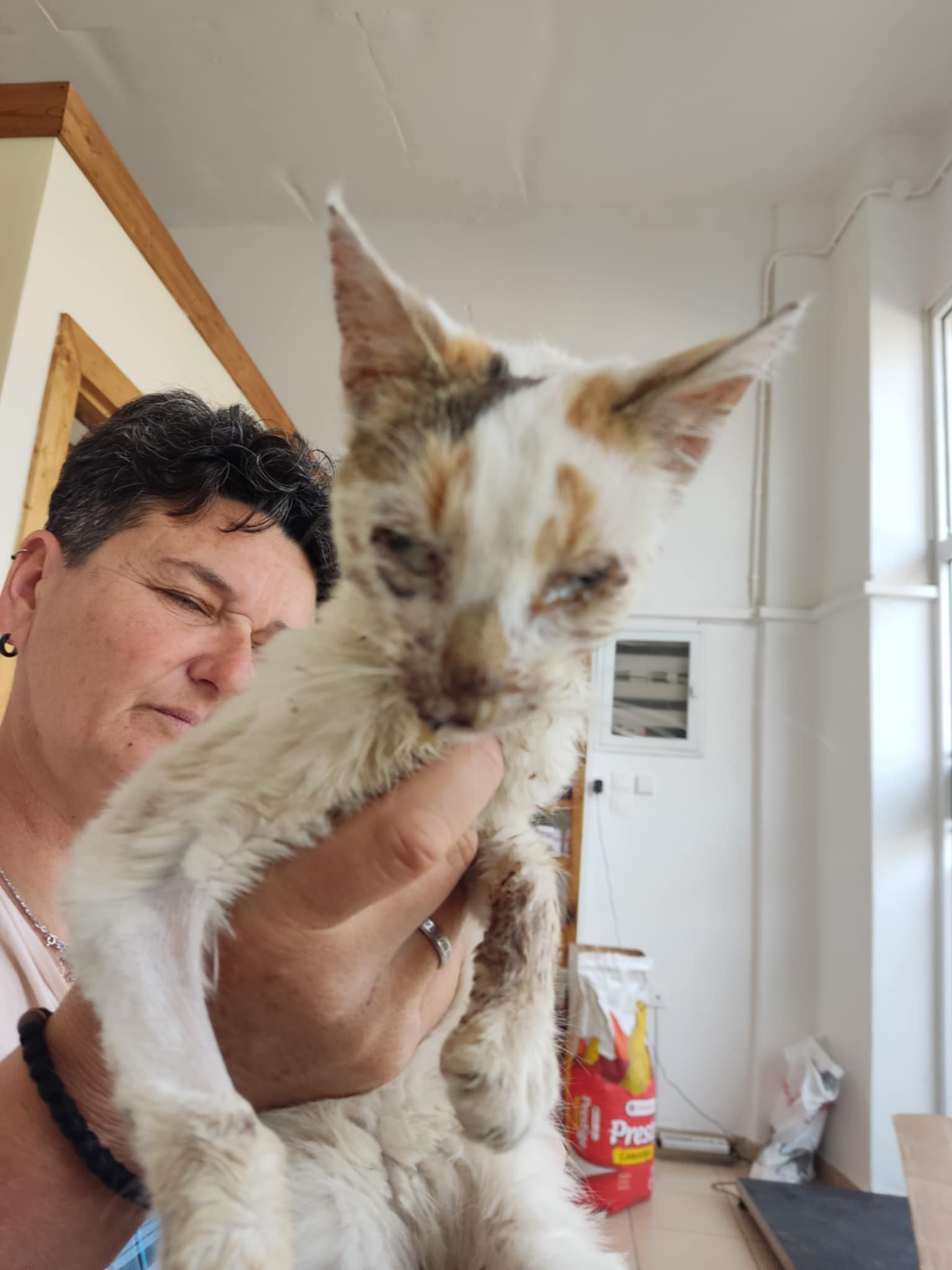
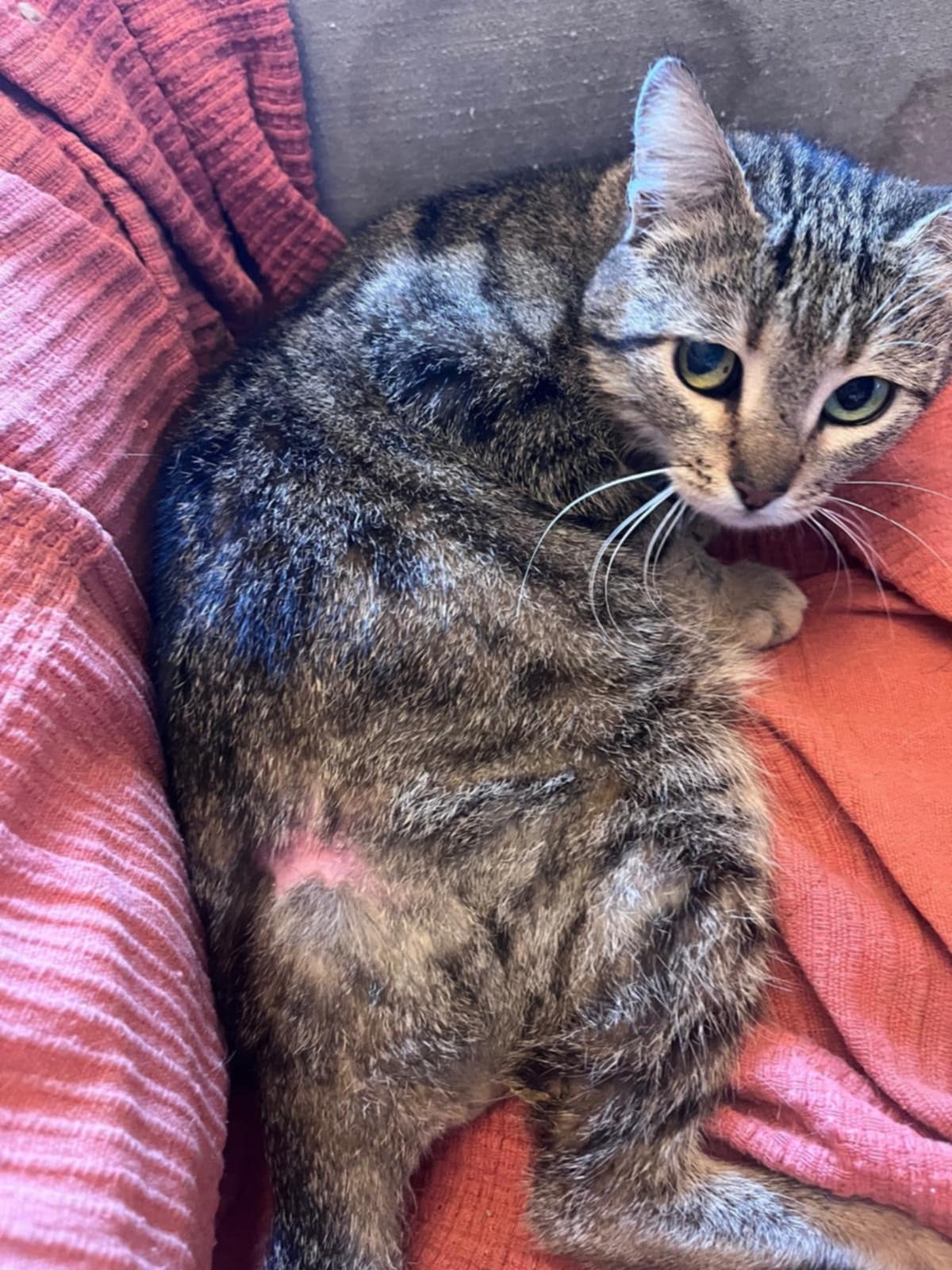
Understanding Paralysis in Cats
Paralysis in cats can have many causes, and understanding them helps you prepare for the right kind of care. Some cases are temporary and treatable, while others require lifelong management.
The most common causes include:
- Spinal trauma (accidents, falls, injuries).
- Neurological disorders (like Feline Infectious Peritonitis or congenital defects).
- Tick paralysis (caused by toxins from tick bites).
- Blood clots (such as saddle thrombus, which affects the hind legs).
Whatever the cause, treatment focuses on supportive care and maintaining your cat’s comfort and dignity.
How to Treat a Paralyzed Cat at Home: First Steps
When your cat first becomes paralyzed, the early days can feel overwhelming. Acting quickly and building a care plan with your vet makes all the difference.
Here’s what to do first:
- See a veterinarian immediately – some causes of paralysis may be reversible if treated early.
- Discuss pain management – your vet can prescribe medication to ensure your cat is comfortable.
- Learn care routines – such as expressing the bladder or preventing bedsores, which you’ll need to manage at home.
At Archie’s, we always remind caregivers: You are not alone. A good vet + a supportive routine can transform your cat’s life.
Daily Care for Paralyzed Cats at Home
Caring for a paralyzed cat becomes easier once you establish daily routines. These routines keep your cat comfortable, healthy, and emotionally secure.
1. Mobility Support
Helping your cat move safely is one of the most important aspects of their care. With the right tools, they can remain active and engaged with their surroundings.
- Assistive devices: Cat wheelchairs or mobility carts restore independence, giving your cat the freedom to explore.
- Slings & towels: A simple towel under the belly can help support their weight when walking around the house.
- Soft flooring: Rugs and padded mats prevent slipping and protect against scrapes.
A little support goes a long way—your cat will feel more confident when they can move freely.
2. Bladder & Bowel Management
Paralyzed cats often need help managing their bathroom needs. It might feel intimidating at first, but with practice, it becomes a simple part of daily care.
- Manual expression: Learn from your vet how to safely express the bladder. This prevents infections and discomfort.
- Routine schedule: Establish regular times to help your cat avoid accidents.
- Washable bedding: Soft, easy-to-clean bedding makes life easier for both you and your cat.
Consistency keeps your cat healthy and prevents complications.
3. Preventing Muscle Stiffness & Atrophy
Just like humans, cats benefit from gentle movement even if they can’t walk. This helps circulation and reduces stiffness.
- Passive exercises: Flex and extend your cat’s legs gently a few times daily.
- Massage therapy: Improves circulation and provides comfort.
- Hydrotherapy: Some cats benefit from water-based therapy, but always under veterinary supervision.
These small steps improve your cat’s quality of life significantly.
4. Protecting the Skin
Without mobility, cats are more prone to sores and skin damage. Prevention is key.
- Drag bags: These special fabric pouches protect your cat’s legs when they scoot along floors.
- Soft bedding: Cushioned resting areas reduce pressure on the skin.
- Daily checks: Inspect for sores, cuts, or signs of infection.
Catch problems early to avoid unnecessary pain.
5. Hygiene & Cleanliness
Paralyzed cats can’t always keep themselves clean, so they rely on us for help.
- Pet wipes: Gentle, unscented wipes help after accidents.
- Fresh bedding: Change bedding daily to avoid odors and bacteria.
- Hygiene trims: Shortening fur around the hind area keeps things more manageable.
Cleanliness not only protects your cat but also makes your caregiving routine smoother.
6. Comfort & Enrichment
Don’t forget—paralyzed cats are still playful, curious, and full of personality. Supporting their spirit is just as important as physical care.
- Accessible feeding stations: Keep food and water bowls low to the ground.
- Toys & stimulation: Puzzle feeders, toys, and scratching posts provide enrichment.
- Bonding time: Regular cuddles, talking, and play build emotional well-being.
Love and attention give paralyzed cats the courage to keep thriving.
Pain Management and Vet Care
Pain isn’t always visible, but it can affect paralyzed cats. Regular check-ups and the right medication plan make a huge difference.
Your vet may recommend:
- Anti-inflammatory medication.
- Pain relief options like NSAIDs or gabapentin.
- Antibiotics if infections occur.
Routine visits ensure that your cat’s needs are constantly adjusted for comfort and health.
Caring for Yourself, Too
Caring for a paralyzed cat is rewarding but can also be demanding. Building a support system is vital—not just for your cat, but for you.
- Create a predictable daily routine.
- Ask friends, family, or volunteers to help when needed.
- Join online groups where other caregivers share experiences.
Celebrate the small victories—every purr, every playful stretch, every sign of comfort is proof of your love in action.
📣 Treating Paralyzed Cats at Home: Your Impact Matters
At Archie’s Cat Sanctuary, we care for cats with paralysis and other special needs every day. With the right treatment, they live joyful, love-filled lives.
If you found this guide helpful, please:
- Share it with other cat lovers or caregivers.
- Support our sanctuary so we can rescue and treat more paralyzed cats.
👉 Donate today to Archie’s Cat Sanctuary and help us give these incredible animals the life they deserve.
Quick Care Checklist
✅ Vet diagnosis and pain management plan.
✅ Learn bladder/bowel expression.
✅ Provide mobility aids and padded spaces.
✅ Do daily stretching and massage.
✅ Keep bedding clean and check skin.
✅ Offer love, enrichment, and patience.
Caring for a paralyzed cat at home is about compassion, structure, and heart. These cats are not “broken”—they are simply different. With your love and care, a paralyzed cat can thrive.
At Archie’s, we believe every cat deserves that chance. 💕

I am a creative writer, web developer, and virtual assistant with a keen eye for detail and a flair for storytelling. With a diverse skill set, I bring a unique blend of creativity and technical expertise to every project. Whether it's crafting engaging content, building dynamic websites, or providing efficient virtual support, I am dedicated to delivering high-quality results that exceed expectations.
If you are going for finest contents like I do, only visit this site all the time since it presents
feature contents, thanks